
I have a lot of “13 Films” list ideas. One is a tribute to 13 directors I admire but who don’t get a lot of scholarly love. This is because their body of work doesn’t fit neatly into an analytical box. Sergei Eisenstein made movies about revolution. Alfred Hitchcock is a master of suspense. Jane Campion tells stories of people defying gender norms. Peter Weir and Martin Ritt made films about outsiders. Wes Anderson offers a specific visual language that has become his calling card. The filmmakers on my list have no such brand. They’re just good directors.
The term journeymen is loaded. In sports, a journeyman is never the GOAT. He or she doesn’t contend for the Hall of Fame, but works for years as a solid, reliable anchor for the team. In the trades, a journeyman is more competent than an apprentice, but not yet a master (insert Anakin joke here). These 13 directors are all masters. They’ve worked in many genres and have delivered excellent work in them all. They’ve won awards, including Best Director Oscars. So don’t take my assignment as “journeyman” to mean anything except the lack of an easy label.
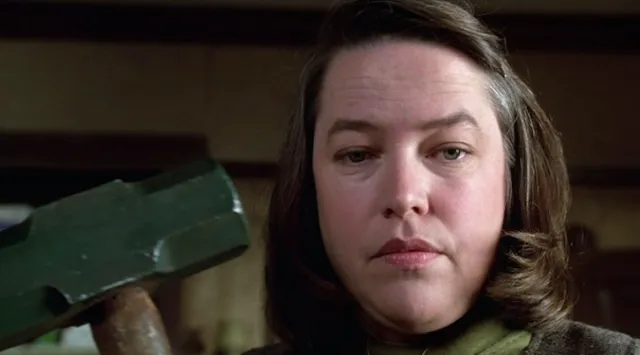
The tragic death of Rob Reiner this past week made me reflect on his varied and laudable oeuvre. Here was a director who made comedies, romances, courtroom dramas, and even a horror movie. Many of his movies have become classics—This is Spinal Tap started the mockumentary genre, The Princess Bride is one of the top ten family adventures ever, and A Few Good Men brought Aaron Sorkin’s eminently quotable script to a wide audience. Reiner realized two Stephen King stories—Stand By Me and Misery, the aforementioned “horror” movie. It’s not body horror or a slasher movie. Technically, it’s a torture film. The movie works not because of the gruesome inventiveness of the tortures, but because of the unpredictability of Annie Wilkes. Films like Saw, Seven, and Hostel traffic in twisted and unsettling devices. Like in The Pit and the Pendulum, it’s the concept of the machine that creates terror. Not so in Misery. The horror all resides in the unhinged Annie and her obsession with her captive’s writings. Rob Reiner briskly directs Misery as Paul Sheldon’s (and by proxy Stephen King’s) story, stepping into the background and generously letting King, James Caan, and Kathy Bates do their things. Stage veteran Bates deserved her Oscar for Best Actress. That it came attached to a Stephen King movie is testament to her talent and Reiner’s craft.
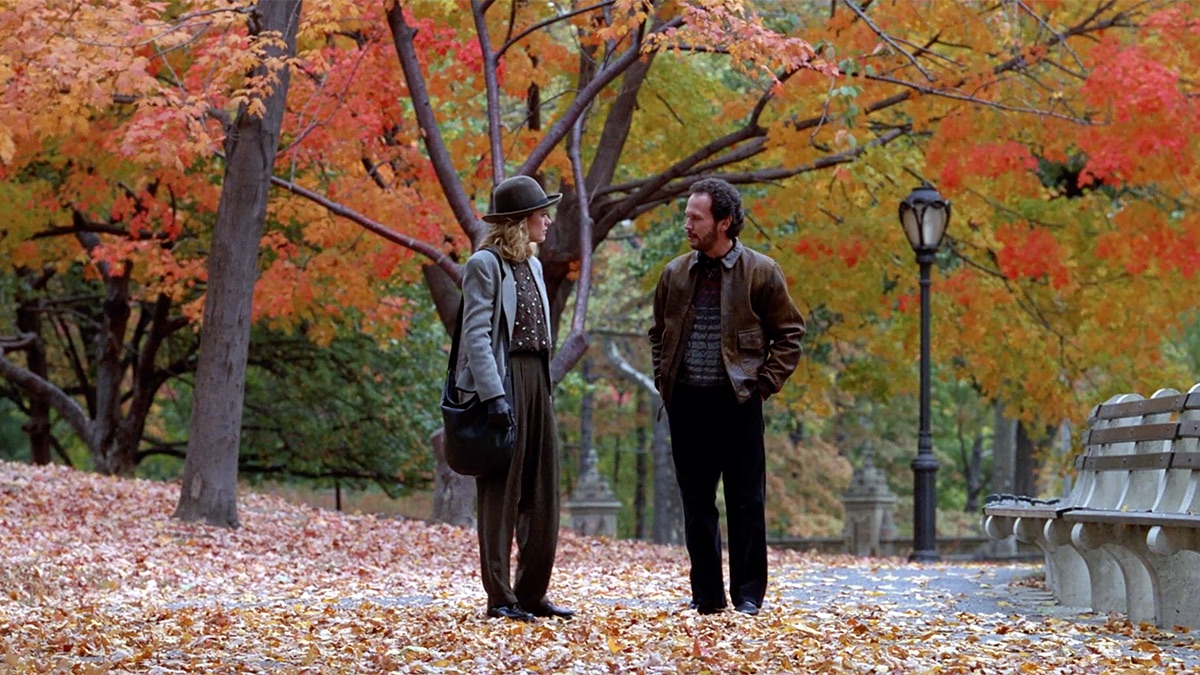
When Harry Met Sally is another Reiner classic, the pinnacle of romantic comedies for Generation X. Nora Ephron’s script is sharp, hilarious, and equally insightful for its male and female characters. Nine out of ten date films give short shrift to their women—they are often archetypes (uptight career woman, manic pixie dream girl). Ephron and Reiner give Sally and Harry equal depth. Sally may not be as witty as Harry, but she has killer deadpan non-reactions as well as her genuinely emotional moments. My favorite is when she realizes her live-in boyfriend doesn’t constitute a real family, something she never knew she wanted. This is the romantic comedy for the post-feminist era. Harry and Sally are both navigating not only the thorny path between friendship and sexual attraction, but also the balance between expectations and real life. That they have an easy way with one another is plain to all, and Meg Ryan and Billy Crystal carry much of the load in avoiding the meet cutes and tropes which bedevil many romantic comedies. Reiner holds it all together by again getting out of their way and letting the chemistry happen. The Woody Allen-style interludes, New York setting, and the inclusion of “It Had to Be You” as its theme song cemented When Harry Met Sally’s status as timeless cinema.
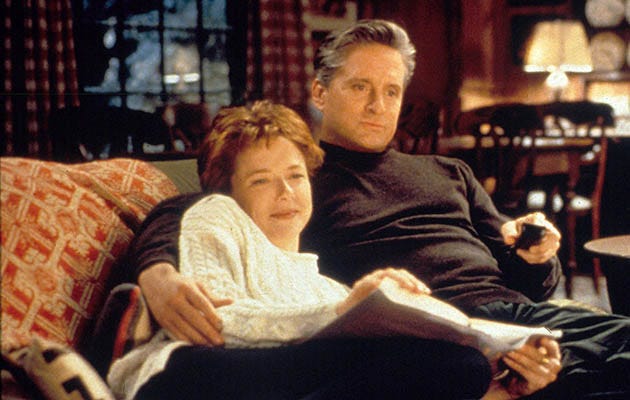
The one other film I want to mention is The American President, also written by Aaron Sorkin. While most of Reiner’s films left his progressive politics at the door, this one highlights them in a way that is gentle, kind, and yet unapologetic. Released in 1995, The American President was a sort of apology for Bill Clinton—not quite as obvious as Rod Lurie’s The Contender, but in the ballpark. Michael Douglas’s widowed President Shepherd falls for environmental lobbyist Sydney Ellen Wade, portrayed by Annette Bening with verve and dignity. If their relationship crosses an ethical line, it would take a K Street lawyer to figure it out. That’s the point—the President is allowed his dalliances, isn’t he?
Unlike Clinton, President Shepherd is upright and principled. Moreover, Sorkin’s screenplay is warm and truly funny. Richard Dreyfus plays Shepherd’s Republican challenger. But unlike Gary Oldman in The Contender, he’s not played as villainous or hypocritical. He’s simply the opposite side of the American coin. I miss those days, when Reiner the outspoken progressive felt honor-bound to play fair with the other side. Maybe he also realized it made for much better entertainment. He put the focus where it belonged, on the personal ethics and feelings of Wade and Shepherd. They are both careerists and people with emotions. Yes, the movie ends with Shepherd pushing carbon reduction and gun control and also putting the Republican in his place. But I would be surprised if many conservatives took offense.
Rob Reiner didn’t always hit home runs. North rates as Roger Ebert’s least favorite film ever (“I hated this movie. Hated hated hated hated hated this movie,” he wrote.). Ghosts of Mississippi was a major miss, in part because it focused on the white prosecutor instead of Myrlie Evers. That film netted James Woods an Oscar nomination for playing the venal murderer of Medgar Evers. Woods, a staunch conservative, clapped back at Trump’s utterly contemptible comments on Reiner’s death, calling Reiner a “patriot” and noting the director pushed back on those who celebrated Charlie Kirk’s assassination.
No one should rank a work of art because of the artist’s politics. Museums, libraries, and cinemas are rife with great works of liberals, conservatives, the thoughtful and the misguided alike. If I had to pick one word to describe Reiner’s movies, it would be “warm.” In the days before movies had to be edgy or cynical, Rob Reiner directed classic films in the classic style. For that, I am eternally grateful.
