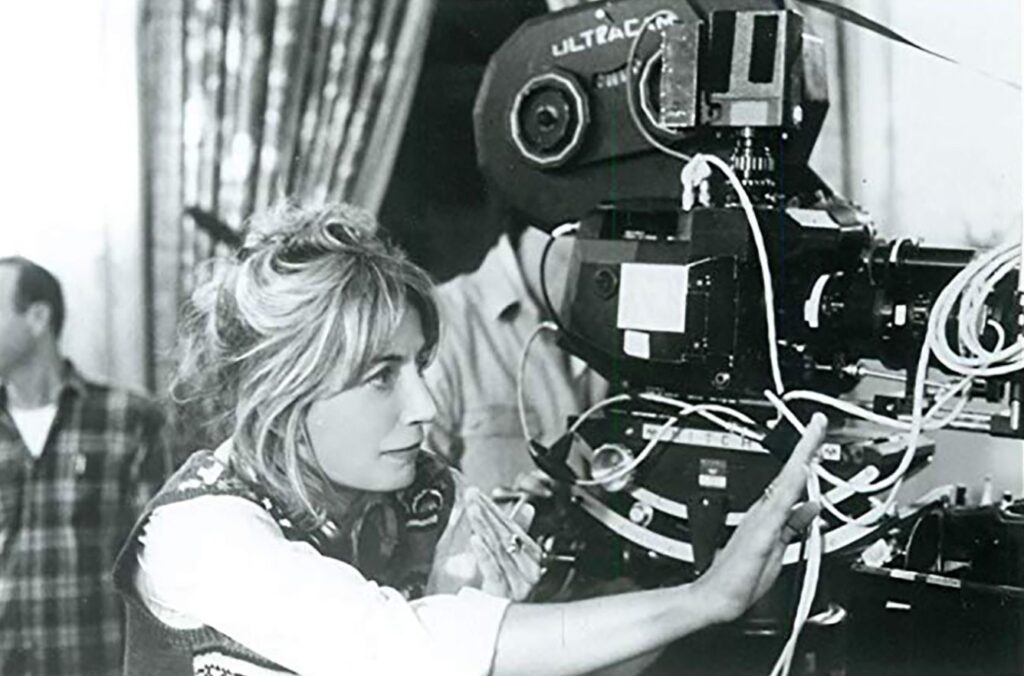
Gen X nostalgia is at its peak now, and as an Xer myself, let me apologize to all of you Millennials and Zoomers right now. The callbacks, parodies, and reminiscings out there are insufferable. Yes, we all want $2 gas and $7 large pan pizzas and kids on bicycles breathing fresh air. We don’t want secondary 80s movie characters or 90s sitcom stars hawking garage door openers or donuts, much less defunct electronics stores. But we could always use a little 1980s innocence.
Penny Marshall didn’t direct many movies, but more than half her oeuvre lives large in the Gen X memory. Her first four films each carried outsized influence on the culture of the day—Jumpin’ Jack Flash was a major Hollywood comedy headlined by a black woman. Though a comedy, Big introduced Tom Hanks as an actor of breadth—he received his first Oscar nomination for this movie. A League of Their Own brought back Hanks and a star-studded cast of women in movie made for a country that was just about ready for a “female empowerment” flick.
But sandwiched in there was a quiet, affecting drama called Awakenings. It’s because of this film that I bestow on Penny Marshall the title of journeyman. And also because I saw her movies in my formative high school and college years. (That she was once married to fellow journeyman Rob Reiner is pure coincidence.)
One reason we yearn for the 1980s was we knew how to laugh. Sure, the threats of nuclear annihilation and AIDS loomed large. Maybe it was because of those we paid good money to see comedies that all seemed to tap into the same vibe: Police Academy, Revenge of the Nerds, Summer School, Real Genius, Weird Science, Better Off Dead, Fast Times at Ridgemont High, and everything from John Hughes. Hollywood made so many comedy features, they invented a subgenre that smooshed comedy with action, giving us Stripes, Top Secret, Short Circuit, Running Scared, Beverly Hills Cop, Crocodile Dundee, The Goonies, and Jumpin’ Jack Flash. (Okay, the 80s didn’t invent the action-comedy, but they did it better than any other decade.)
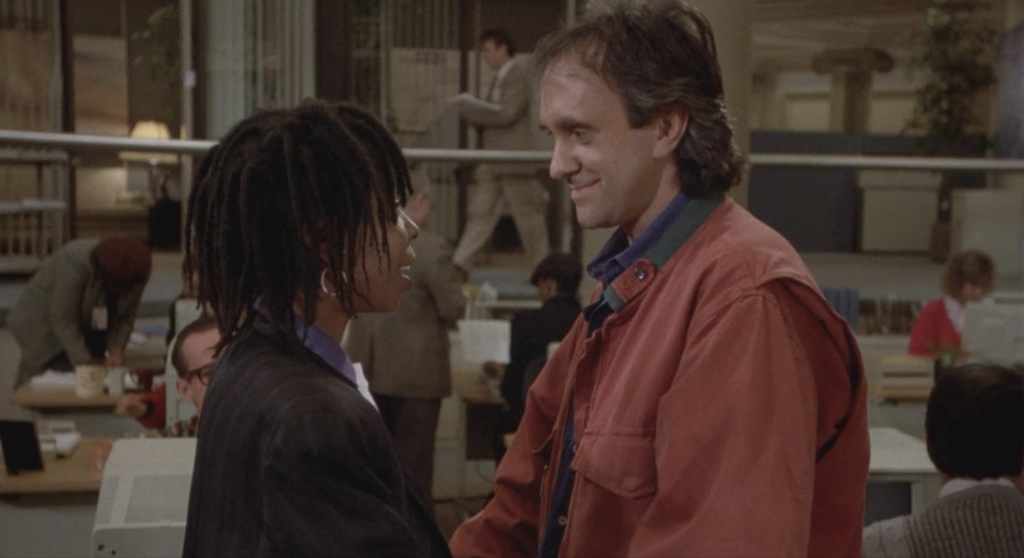
Rather than the manic Whoopi Goldberg, Jumpin’ Jack Flash was supposed to star the sedate Shelley Long, which is even less believable than Sylvester Stallone headlining Beverly Hills Cop. Long’s departure opened the door for Goldberg, whom cinema audiences only knew from the decidedly uncomic The Color Purple. The whole production seemed even less plausible when you throw Marshall into the mix. Women directors were almost non-existent in Hollywood then, but the cracks in the glass ceiling were starting to show—two of the comedies listed above were helmed by women. Penny Marshall was a recognized comedienne, coming off a long career as beer bottle cap machine operator Laverne DeFazio on Laverne & Shirley. Encouraged by her brother Garry Marshall, Penny stepped in to direct when the original director quit. (Also implausible, but true: Joel Silver joined as producer at the same time.) The story is essentially The Man Who Knew Too Much or Scarecrow and Mrs. King. A final head-scratcher—the spy ends up being Jonathan Pryce, and if you think Goldberg and Pryce make an odd couple, they do. But the mirth and energy it took to get to that interracial coupling was undeniable. I’m sure Jumpin’ Jack Flash is not as good or funny as I remember. One of the benefits of watching comedies with a crowd is someone is laughing. And once enough people laugh, you laugh. That’s good medicine, and you can’t get it sitting at home watching Netflix. The movie was enough of a hit that Goldberg got more lead roles and Marshall got another directing gig.
That gig was Big. I’m not sure much needs to be said about that movie. It started a trend of copycat “body swap” movies (Like Father, Like Son; 18 Again; Vice Versa). It gave us Tom Hanks the serious actor, marked by the pivotal scene where “adult” Josh cries in the flophouse. It gave us this scene:
Big is a fun movie about how awesome childhood is. Were it remade today (which it shouldn’t be ever) the implication of Josh losing his virginity to Susan would probably go. We are more discerning now, which is the positive way of saying we’re less innocent.
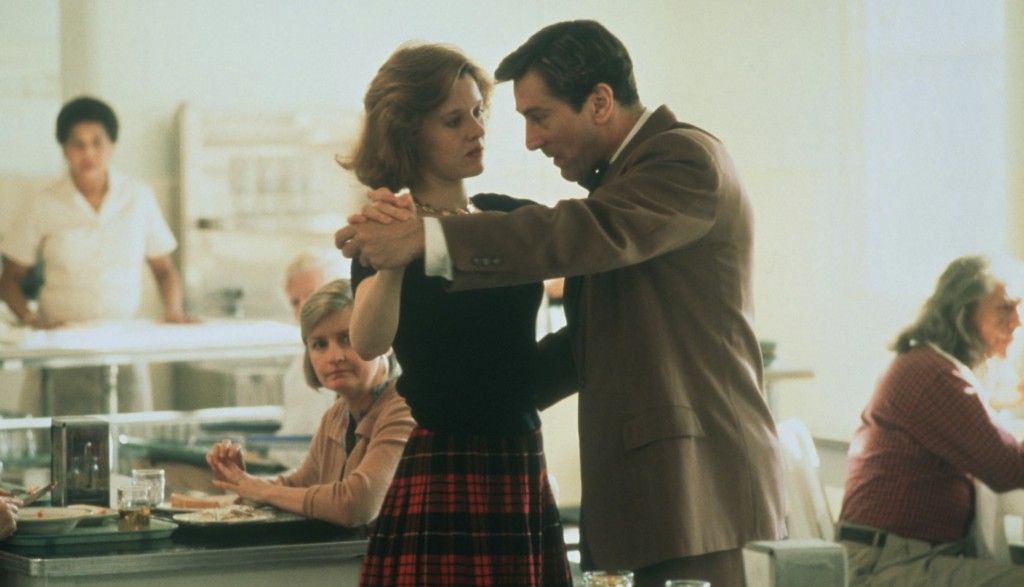
Awakenings is in its own way about innocence and discernment. The titles roll over scenes from Leonard Lowe’s childhood, as his carefree youth is slowly stolen by an encephalitis-caused Parkinson’s. In a few minutes, Marshall establishes Awakenings not as a medical mystery, but as the tragedy of being locked inside an unresponsive body, unable to convince anyone else of your dignity. Robert DeNiro plays the adult Leonard, whom Dr. Malcolm Sayer (Robin Williams) rouses from a lifelong catatonia. For a brief time, Leonard is a human being again, experiencing human wonder and fun, even romancing the lovely Penelope Ann Miller, who visits her father in the hospital. He experiences a full range of humanity before the experimental treatment tragically loses its potency. But no one in the hospital can view these patients the same—these are no vegetables, they are people.
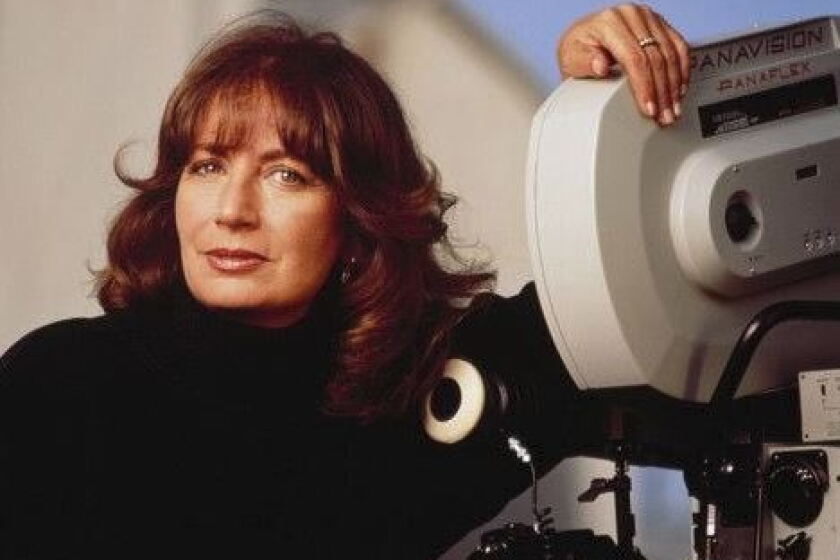
Marshall was in charge of a dream team here, with a screenplay by Steven Zaillian and stars Williams and DeNiro—one past and two future Oscar winners. Williams was always great, even as he plowed the same well-worn ground. Dr. Sayers is not much different from Patch Adams, but John Heard’s skeptical colleague in Awakenings at least has more believable reasons to oppose Sayers than Bob Gunton’s caricaturish dean in Patch Adams. Marshall brought to Awakenings an empathetic curiosity. It’s this serious curiosity that also served her well in directing Big.
Penny Marshall directed three more features and is more remembered for her acting. But there was a brief moment in history where people joked the three biggest directors in Hollywood were Meathead, Opie, and Laverne. That’s not bad for a bottle capper from Milwaukee. It was a more innocent time—one where we knew how to laugh.
