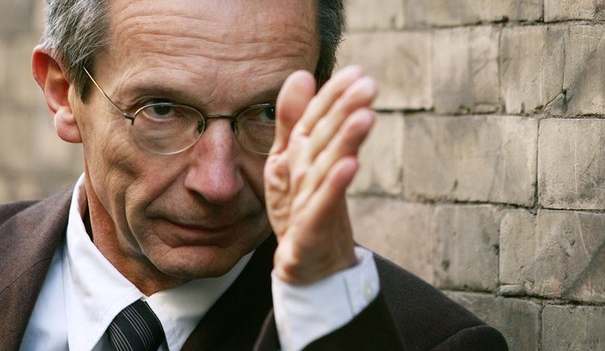
This month’s “The Journeymen” article is only #2 in the series, and it appears I’ve already strayed off the path. That’s because Patrice Leconte in no way fits my definition of a “journeyman” filmmaker. I included him in my list because he’s one of my favorites. He also works in a variety of genres: comedy, period drama, romance, animations, crime, mystery. It’s this variety that made me think of him as a journeyman. I was very wrong.
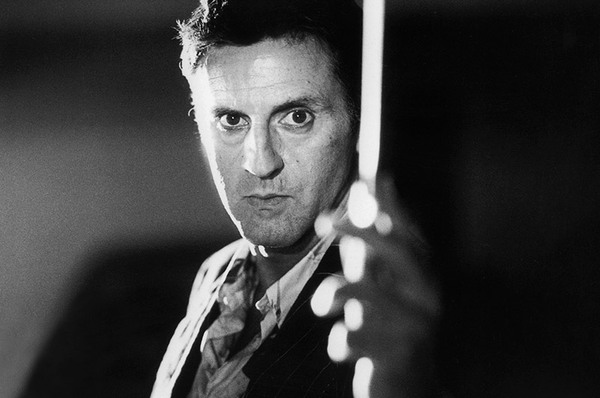
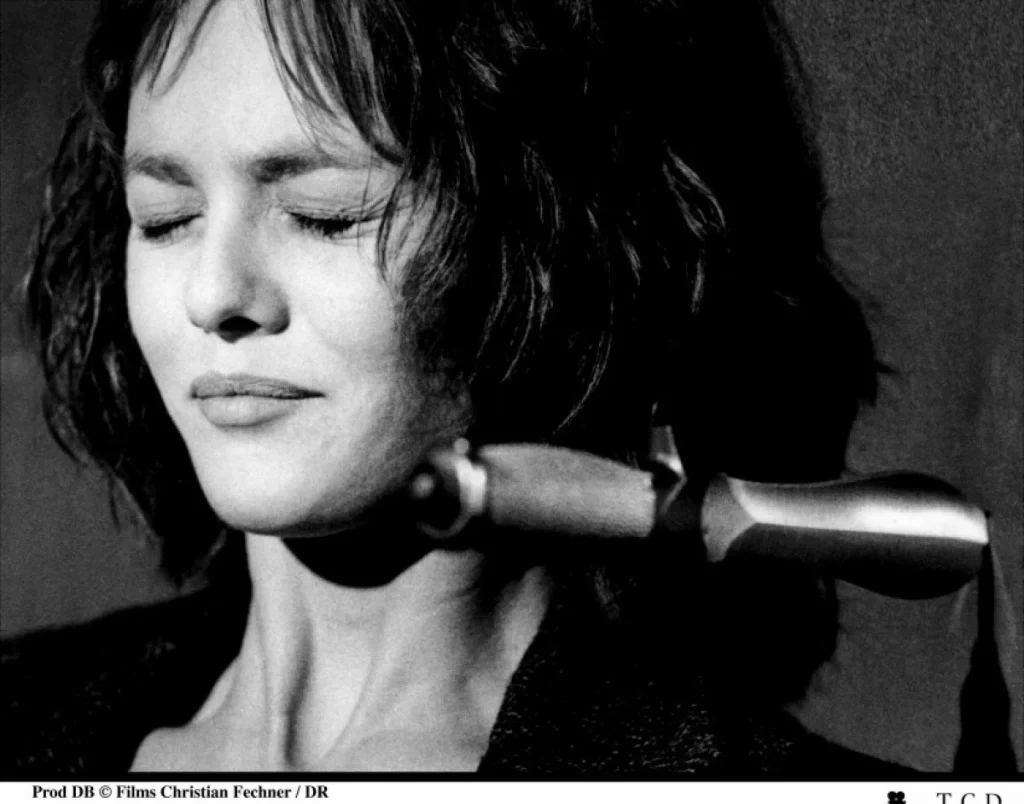
The first Leconte film I saw was Girl on the Bridge, one of his many starring Daniel Auteil. Auteil is a classic French leading man—older, hangdog, and not traditionally handsome, but bearing a quiet, intense charisma. Auteil plays Gabor, a knife thrower who happens upon Adèle (Vanessa Paradis) as she’s about to jump off a bridge to her death. Since she’s suicidal already, he suggests joining his act as his target. While the two never fall into bed together, their relationship sizzles with sexual electricity. The film takes place in modern day, but the high-contrast black-and-white photography and mid-century jazz soundtrack infuse Girl on the Bridge with a mythical and lovelorn air. It’s a funny film with turns you never see coming. It’s still one of my favorite of Leconte’s works.
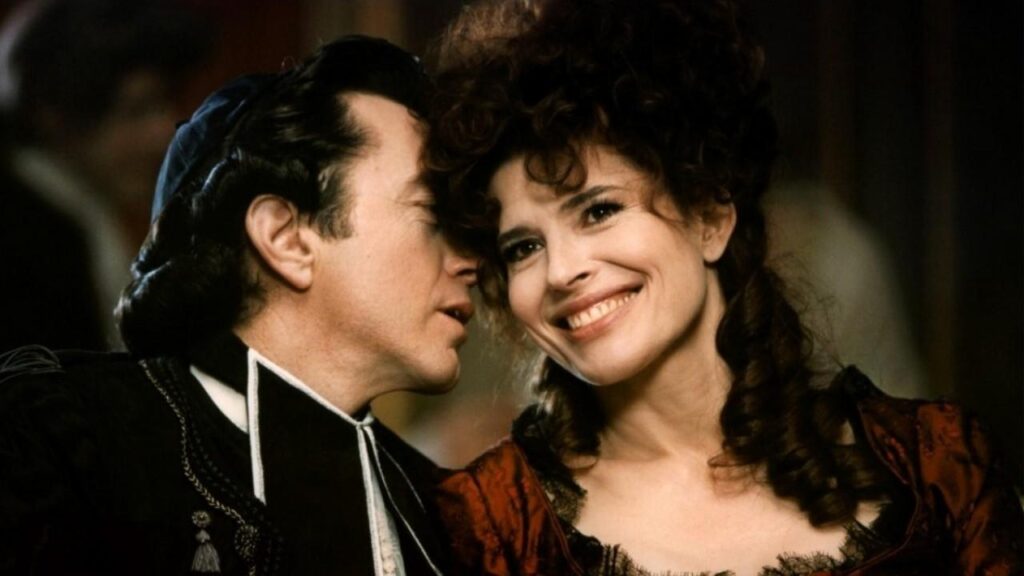
My favorite would be Ridicule, which takes place in Louis XIV’s Versailles. It’s a sumptuous costume drama in which a nobleman must navigate palace politics and always demonstrate the sharpest wit among the courtiers—one faux pas and he falls from favor. This logline may sound stodgy, but Ridicule is anything but. It’s fast-moving and inventive (like the nobleman), with a great script and fun characters.
Other of Leconte’s films include Monsieur Hire, The Hairdresser’s Husband, The Widow of Saint-Pierre, The Man on the Train, Intimate Strangers, and My Best Friend. All of these films star Auteil, Jean Rochefort, or Sandrine Bonnaire. (Ridicule is the one film that did not.) While these movies range from pure comedy to tragic mystery, they all feature a common theme: the stranger intruding on the ordered world of a withdrawn man.
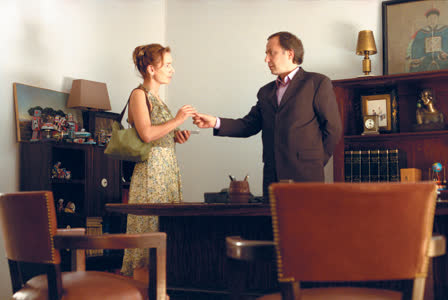
Take the setup of Intimate Strangers. A woman (Bonnaire) comes into an accountant’s office thinking he is the psychiatrist upstairs. Before he can correct her, she spills her inmost secrets. She returns, the accountant keeps listening. Here is a relationship built on lies, but it’s one both people need. The accountant, like Monsieur Hire or Rochefort’s protagonist in My Best Friend, is alone and friendless. Through his conversations with Bonnaire’s “patient,” the world of women—indeed, the world of other people—opens up to him.
Leconte loves these withdrawn, lonely men. They often meet with melancholy ends, but not before experiencing life-changing experimentations with redemption (Widow of Saint-Pierre), romance (The Hairdresser’s Husband), or crime (The Man on the Train and Monsieur Hire). He writes most of the films he directs, so he’s definitely an auteur, if a lesser-known one. But I know his work. And you should, too.
